 Christy Bella
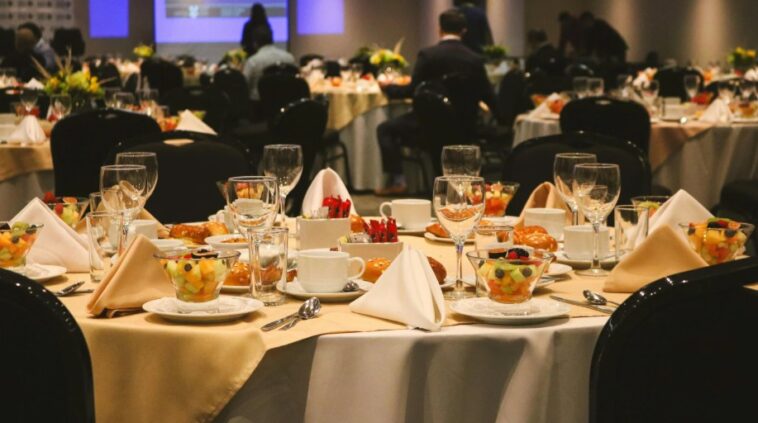
Behind every impressive gala dinner, wedding banquet, or corporate event lies a complex web of logistics that ensures every plate arrives hot, every drink is chilled, and every guest leaves satisfied.
Large-scale catering in the UAE, particularly in cities like Dubai and Abu Dhabi, is not just about cooking food, it’s about managing a synchronised operation involving timing, precision, and coordination.
But what does it really take to bring these massive culinary experiences to life? Understanding the logistics behind large-scale catering events reveals the teamwork, technology, and meticulous planning that make them seamless.
How Does Planning Begin for a Large-Scale Catering Event?

Planning a catering event on a grand scale starts long before the first dish is served. The initial stage involves a detailed consultation with the client to determine the event’s scope, theme, and expectations.
From there, planners outline everything, from menu design and ingredient sourcing to staff deployment and transportation logistics.
In the UAE, where events often feature hundreds or even thousands of guests, precision is non-negotiable.
Catering companies typically create digital blueprints of venue layouts, kitchen zones, and service routes. These visual plans help ensure that every movement, from plating to serving, happens efficiently.
Platforms like businessblog.ae often highlight how event management in the Emirates relies on advanced logistics tools and data analytics to streamline operations and reduce waste, making large-scale catering both sustainable and profitable.
What Role Does Menu Design Play in Catering Logistics?
Menu planning is both an art and a logistical challenge. For smaller events, chefs can personalise meals easily, but in large-scale catering, the menu must balance creativity with practicality.
Chefs need to consider how dishes will hold up during transport, how quickly they can be served, and how ingredients can be sourced locally or imported without affecting freshness.
For instance, catering a wedding in Dubai might involve an international fusion menu, while a corporate event in Abu Dhabi could focus on Emirati delicacies or Mediterranean cuisine. Each type of menu requires different equipment, preparation times, and staff expertise.
The menu also dictates the flow of operations, from storage temperatures and plating timelines to delivery sequencing. Proper menu design can mean the difference between a smooth service and a logistical nightmare.
How Do Caterers Manage Food Preparation at Scale?

Preparing food for hundreds or thousands of people demands industrial-level kitchens and an experienced culinary team. In the UAE, catering firms often rely on centralised production units where large quantities of food are prepared in advance.
These kitchens are equipped with state-of-the-art ovens, cold storage systems, and vacuum-sealing machines to maintain quality.
Once the food is prepared, it is packaged using specialised containers that preserve temperature and texture during transport. Chefs and logistics managers must then coordinate closely to ensure dishes reach the venue within precise time windows.
This stage often involves refrigerated trucks, timed dispatch systems, and contingency planning for unexpected delays such as traffic or weather disruptions. The emphasis is always on consistency, each guest must receive a dish that looks and tastes identical.
What Technology Keeps Everything on Track?
Modern catering logistics heavily depend on technology to ensure coordination between teams. Event management software allows organisers to monitor real-time progress, from order confirmations to kitchen prep timelines.
GPS tracking on delivery vehicles ensures punctuality, while digital inventory systems help manage ingredients and supplies efficiently.
In the UAE’s competitive hospitality landscape, smart catering solutions have become the norm. Many companies use cloud-based systems that link chefs, delivery teams, and event coordinators on one platform. This transparency reduces errors and keeps everyone aligned.
How Do Staff Coordination and Training Influence Success?
No large event succeeds without a skilled and synchronised workforce. From chefs and servers to logistics supervisors and cleaners, every role must function like a gear in a well-oiled machine.
Before the event, teams undergo detailed briefings covering everything from service flow and safety protocols to guest interaction standards.
On the day, supervisors manage staff rotation schedules to prevent fatigue during long events. Many high-end catering services even conduct mock setups and tasting sessions to identify potential bottlenecks in advance.
In Dubai and Abu Dhabi, where event standards are exceptionally high, attention to staff training ensures guests experience impeccable service, regardless of the event’s scale.
How Is Quality Control Maintained During the Event?

Maintaining quality during mass service is one of the biggest challenges in catering logistics. Each dish must meet the same standard, whether it’s the first plate served or the last.
Quality control measures begin at the sourcing stage, with suppliers carefully vetted for reliability and freshness.
During the event, on-site supervisors continuously check presentation, temperature, and portion consistency. Backup stations and contingency kitchens are sometimes established at large venues to address last-minute needs.
Client satisfaction also depends on immediate adaptability. Whether accommodating dietary restrictions or adjusting for unforeseen guest numbers, flexibility remains at the heart of great service.
What Happens After the Event Ends?
Once the last guest leaves, the work doesn’t stop. Post-event logistics include dismantling setups, cleaning, waste disposal, and feedback analysis. Efficient waste segregation, especially in eco-conscious regions like the UAE, ensures leftover materials are managed responsibly.
Event teams often conduct debrief meetings to review performance, highlight successes, and identify areas for improvement. This process ensures that each subsequent event runs smoother and more efficiently.
Additionally, many catering firms are now using post-event analytics to measure satisfaction scores and resource efficiency, helping refine their logistics for future engagements.
Conclusion
Behind the glamour of every lavish banquet or corporate celebration lies an intricate system of logistics that determines success.
From precise menu planning and advanced technology integration to staff coordination and post-event evaluation, every detail counts.
In the UAE’s thriving hospitality sector, where large-scale events are a cultural and economic cornerstone, understanding these logistics provides valuable insight into what makes an event exceptional.